Data integrity
Define unique ID rules, serial ranges, variable fields and duplicate handling. Agree a representative data file and human-readable backup.
Application solution / Traceability
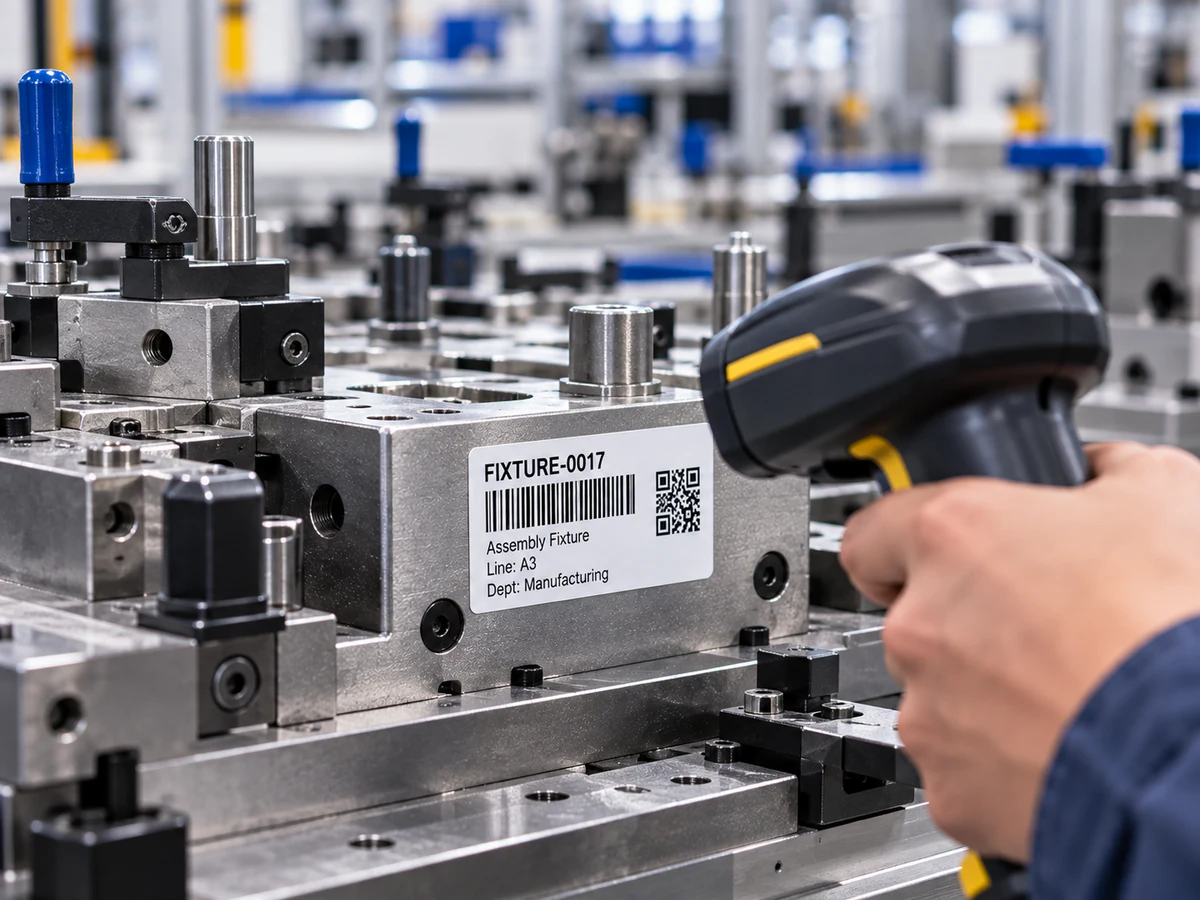
Work backward from the scan point and service record. Define the data, the available label area and the conditions the identifier must survive.
Can the right identity be captured at every handoff?
02 / The application challenge
Traceability fails when an identifier is unreadable, duplicated or no longer connected to the right record. The label layout, data rules and physical construction need to work together from production through service.
Define unique ID rules, serial ranges, variable fields and duplicate handling. Agree a representative data file and human-readable backup.
Specify scanner type, viewing distance, lighting, curvature and available area. Preserve code quiet zones and adequate print contrast.
Review stainless steel, paint, powder coat, plastics or glass. Match adhesion and protection to the full equipment lifecycle.
Identify every handoff, including rework and replacement. Keep an authorized replacement label connected to the original record.
03 / Recommended approach
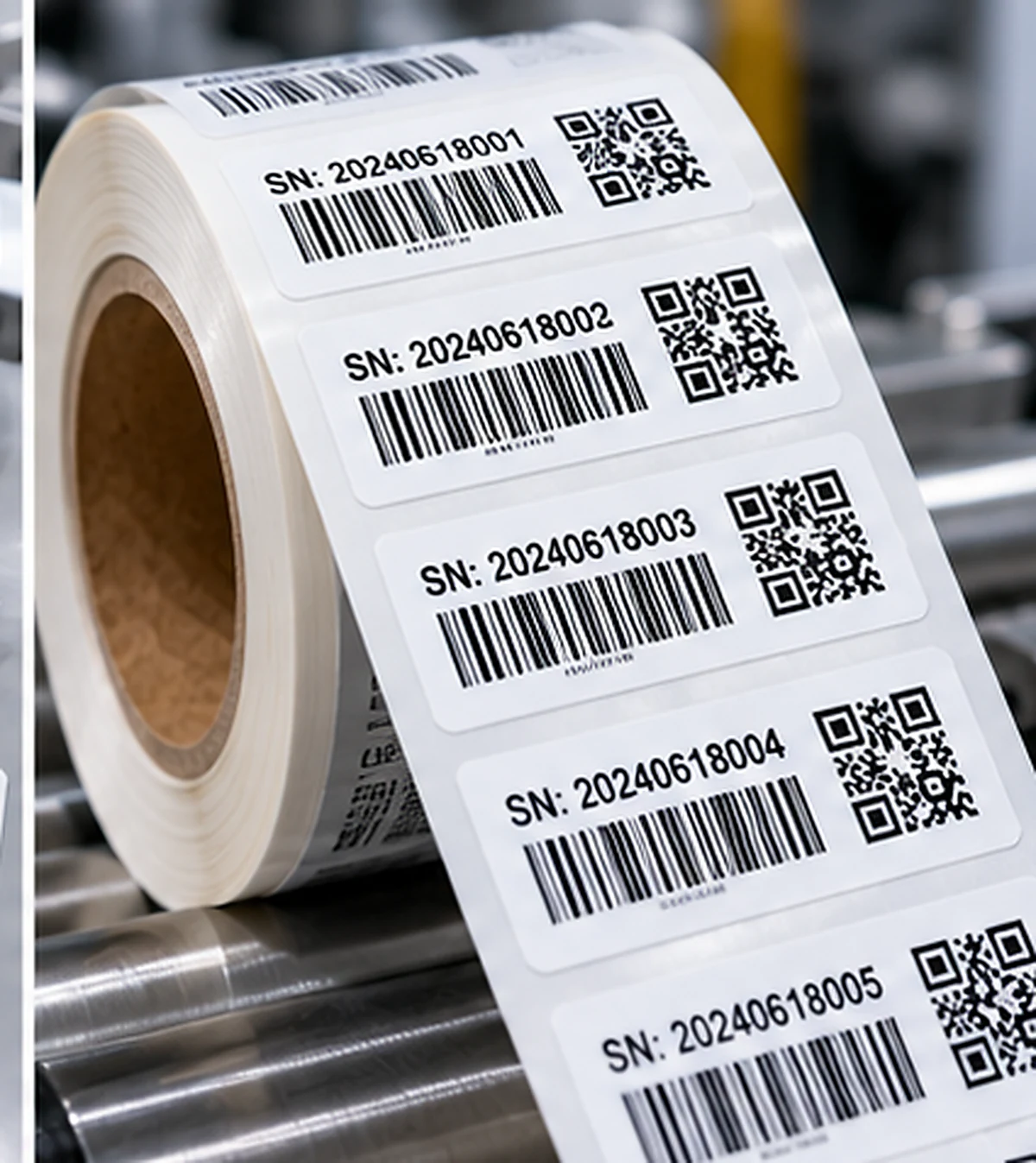
Finished variable-data labels connect the physical part to its identification record.
Define the record key before choosing the symbol. Barcode, QR and Data Matrix carry the agreed data; human-readable serial and model information help with service recovery. BY Label Tech supplies finished printed identification; database integration and the asset-management workflow remain project inputs.
04 / Construction & technical options
PET, metallized PET and specialty durable films for equipment, asset numbers and service identification.
PC / polycarbonate and vinyl options for model / rating information, warnings and technical equipment panels.
Heat-resistant, chemical-resistant or tamper-evident constructions where the workflow adds exposure or security requirements.
05 / Selection & validation
Approve a representative printed data set, check uniqueness and scan performance at actual read points, and evaluate the label after relevant wear or environmental exposure. Confirm the replacement and data-sequence rules before the production run.
06 / Discuss your application
Tell us what needs identifying and where the label will be used. A short description or drawing is enough to begin.