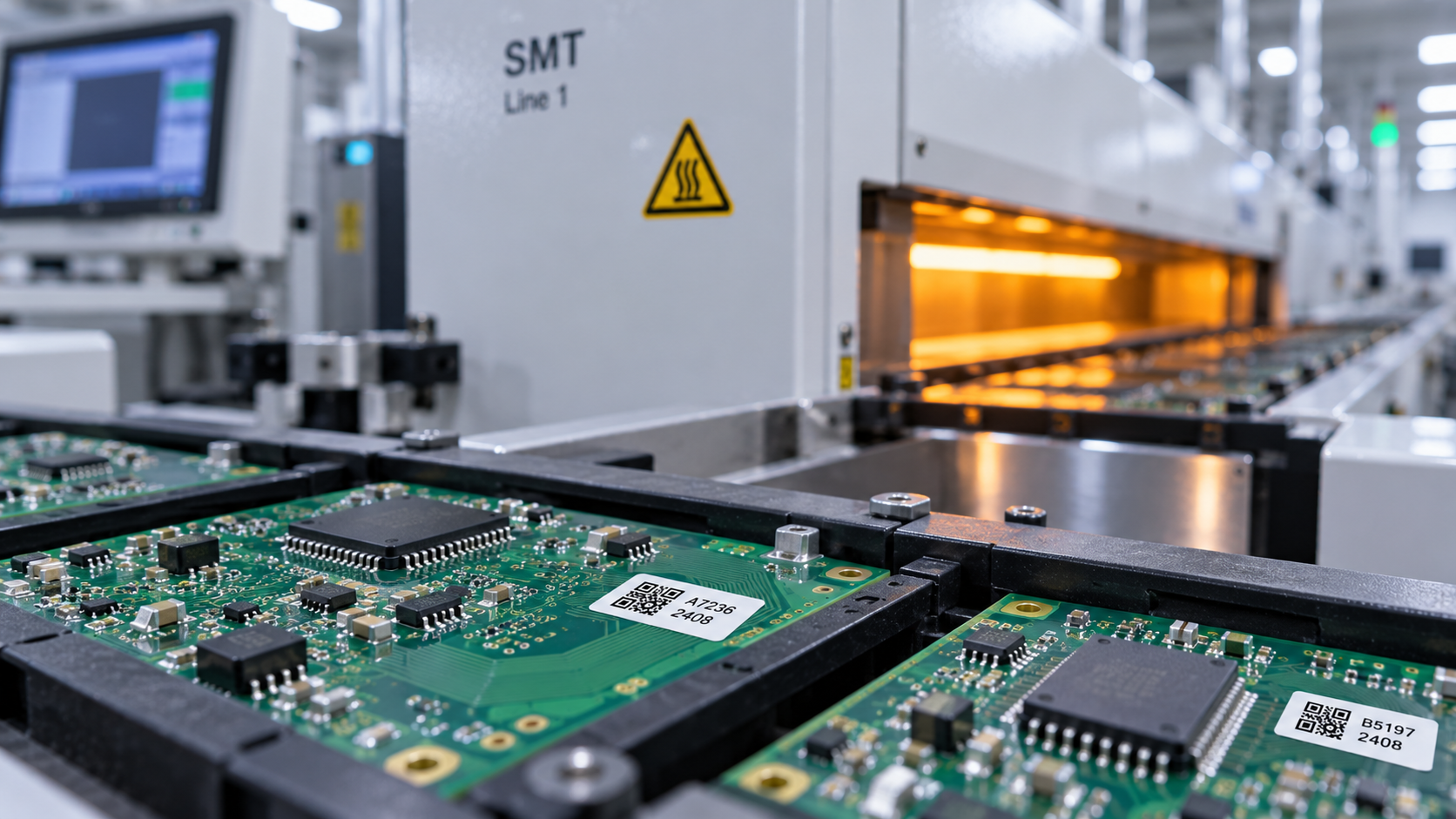
Extreme Temperature
Will the identification survive the complete temperature profile?
Start with the process sequence, peak temperature and exposure time. Then match the label to the surface and the information that must survive each stage.
Industrial identification / Solutions
The right solution starts with the application, surface and environment. Explore the challenge you need to solve, then connect the engineering requirements to a finished printed label.
Need a specific label type? Explore Products →
Six application starting points
Will the identification survive the complete temperature profile?
Start with the process sequence, peak temperature and exposure time. Then match the label to the surface and the information that must survive each stage.
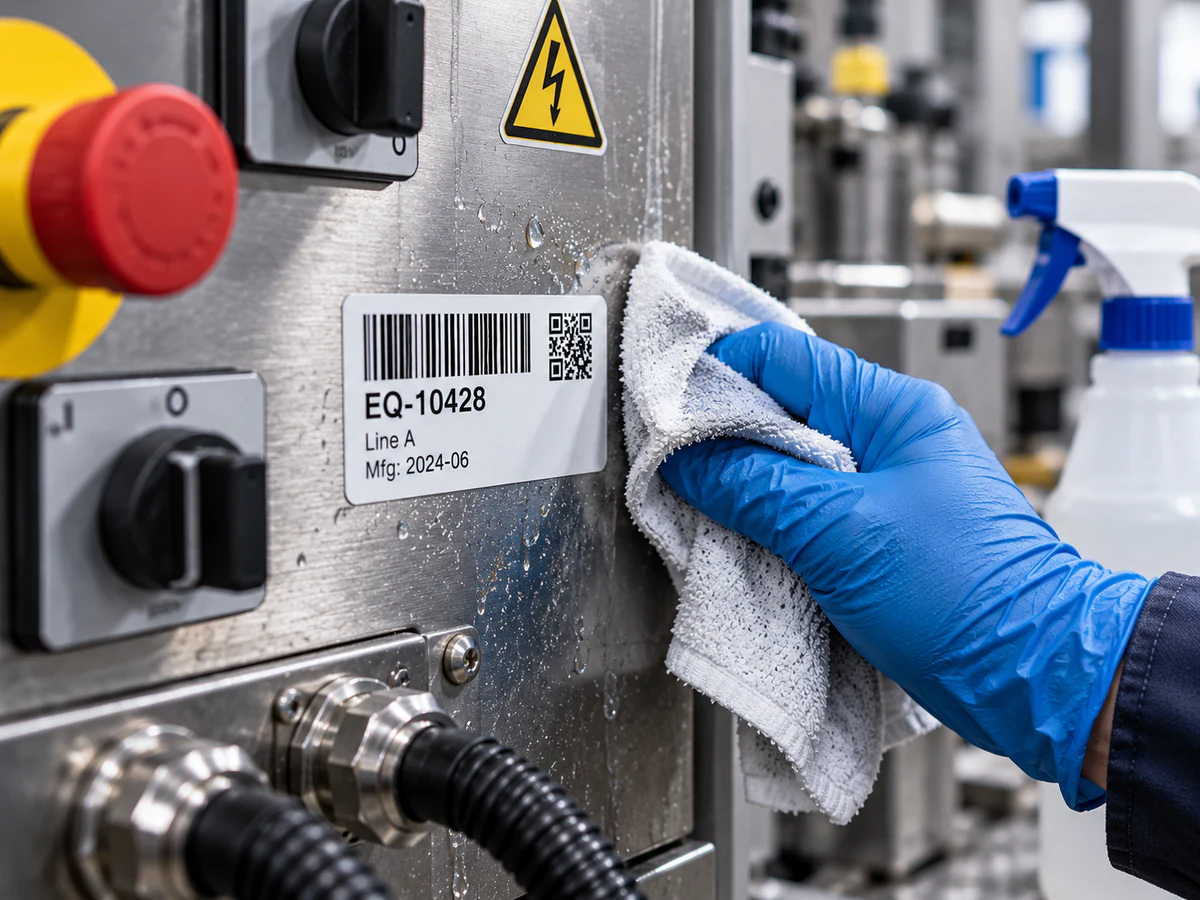
What reaches the label during work, cleaning and maintenance?
Define the actual exposure sequence before choosing a resistant material. The printed surface, adhesive edges and substrate all contribute to the result.
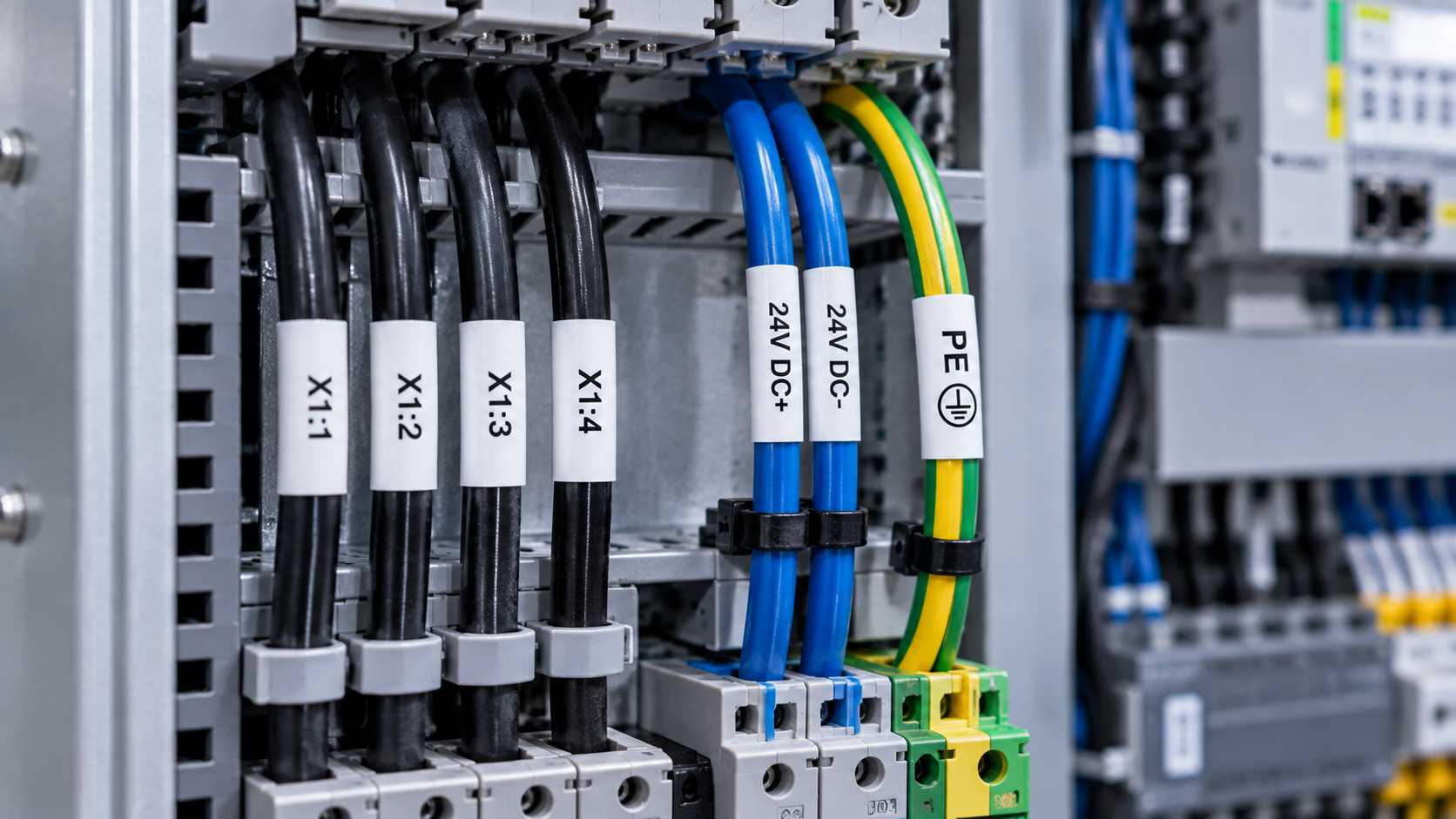
Can the installer find and read the right cable after routing?
Cable identification starts with the jacket, diameter and installed position. Build a readable identifier that stays usable through routing, flexing and maintenance.
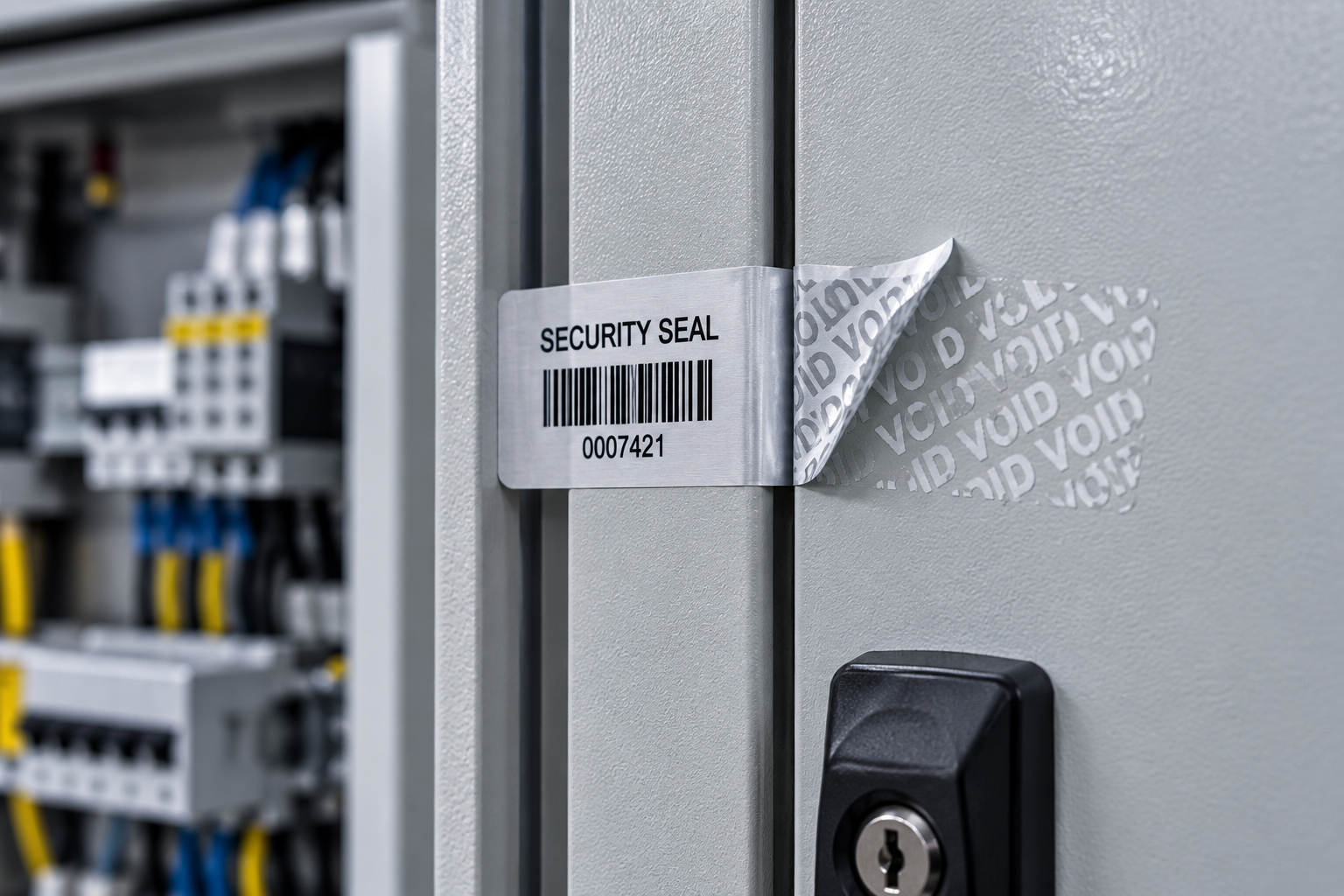
What should an inspector see after an attempt to open or remove?
Define the evidence you need first. Then select a security construction around the substrate, access geometry and inspection conditions.
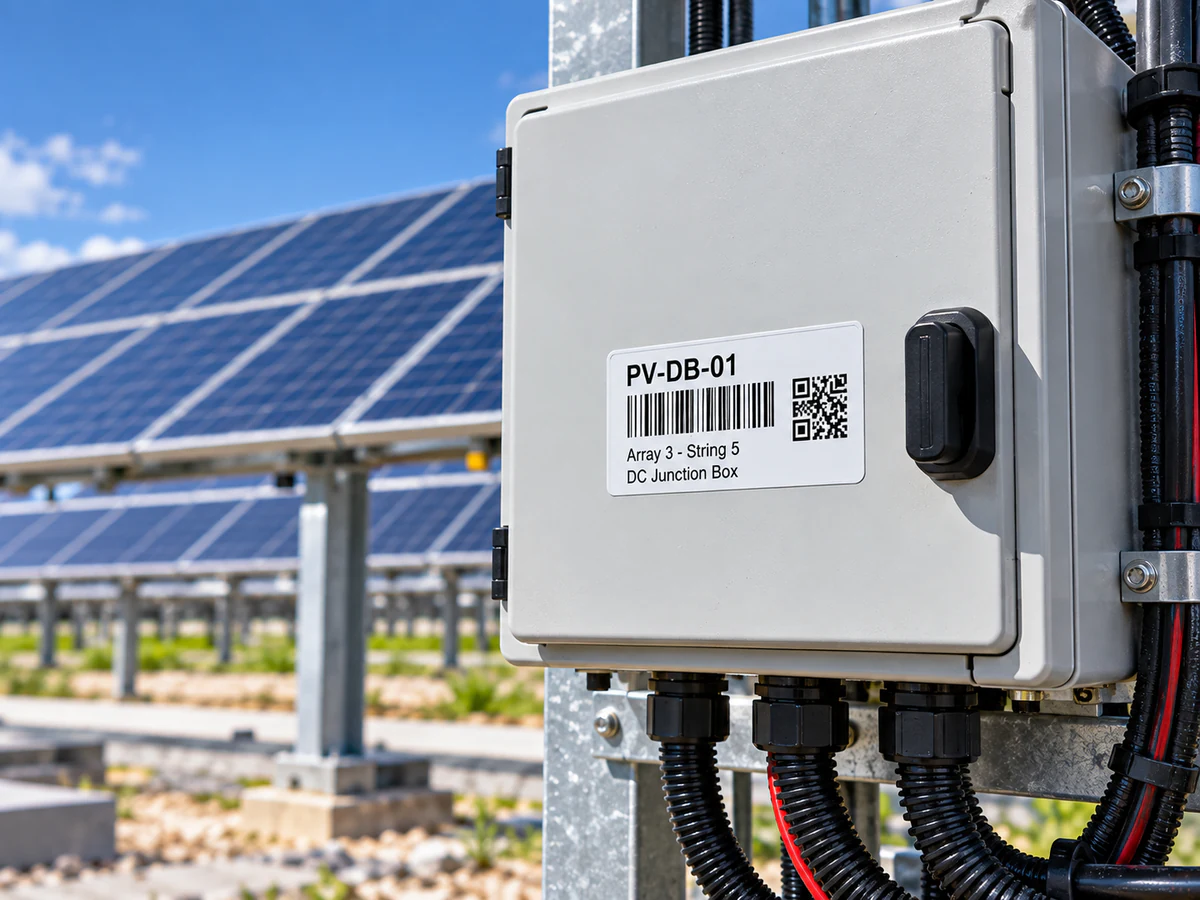
How long must the information remain usable in the field?
Specify the location and exposure as well as the intended life. Match the adhesive, film and print protection to the actual equipment installation.
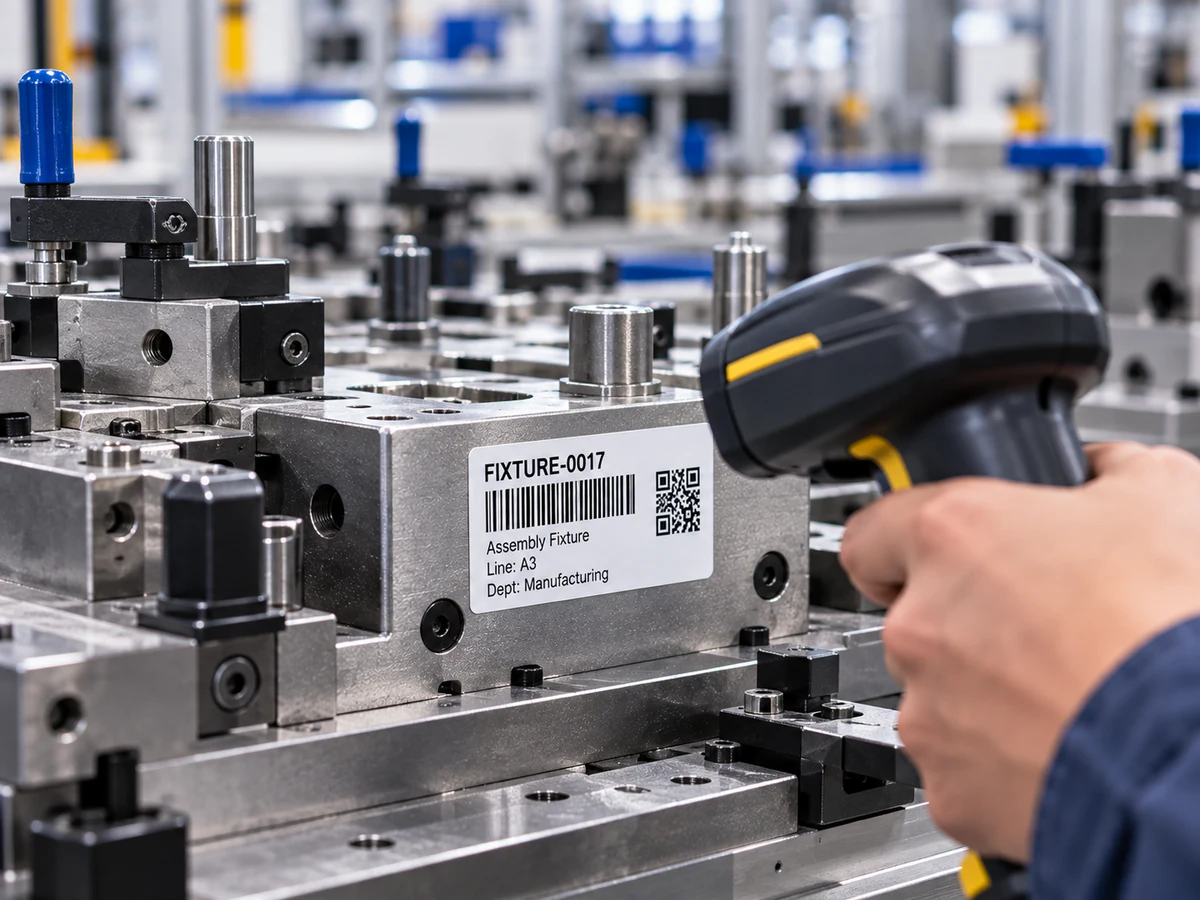
Can the right identity be captured at every handoff?
Work backward from the scan point and service record. Define the data, the available label area and the conditions the identifier must survive.
One application, several demands
Separate installation conditions, service exposure and process peaks. Heat, cleaning and abrasion may act in sequence.
Identify the substrate, coating, texture and available area. A cable jacket and a flat metal panel need different construction decisions.
Define the scan points, variable data, required markings and service life. Agree what must remain attached and readable.
The BY Label Tech approach
Locate the identification task and the point where a lost or unreadable label would interrupt it.
Review surface material, finish, geometry and preparation.
Separate application temperature, service conditions and process peaks.
Specify codes, variable data, required markings and acceptance criteria.
Match material, adhesive, print and protection as one system.
Evaluate the proposed construction on representative parts where required.
Confirm artwork, data, format and production coordination through delivery.
Your application
Share your substrate, environment, identification needs, dimensions and quantity. Add compliance requirements and sample acceptance criteria where relevant.
Discuss Your Application